
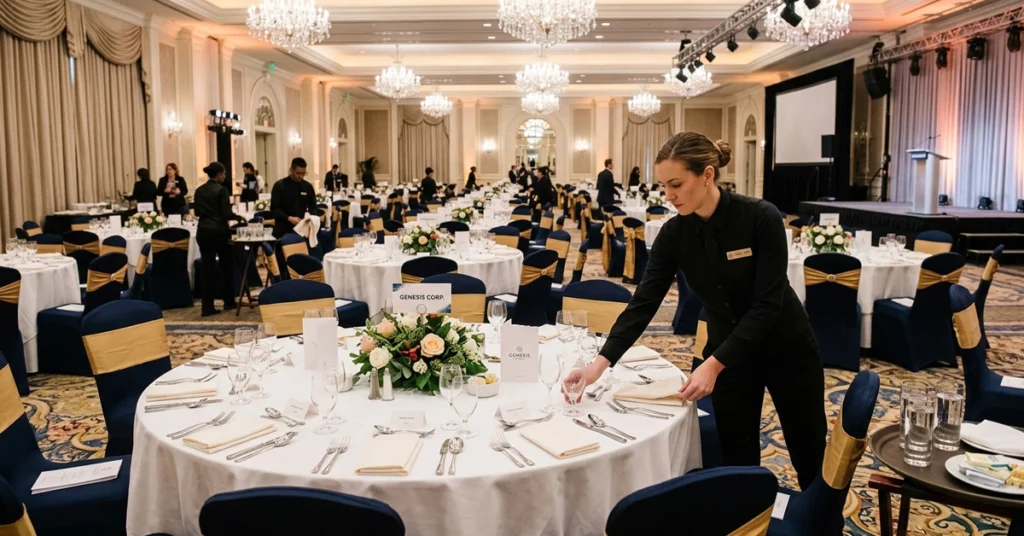
For hotel banquet coordinators and F&B directors in South Florida, peak season isn’t a single month — it’s a marathon. From October through April, the market fills with corporate conferences, charity galas, wedding weekends, and back-to-back buyouts that push even the most well-run properties to their operational limits.
The hotels that handle it seamlessly have one thing in common: they don’t try to staff peak season entirely on their own.
Supplemental event staffing — bringing in a vetted, experienced team from an outside hospitality agency to work alongside your in-house crew — is how South Florida’s top properties protect service quality when demand spikes, multiple events run simultaneously, or in-house capacity simply isn’t enough for the room.
This guide is for hotel F&B directors, banquet managers, and event coordinators who want to understand how supplemental staffing works, when to use it, and what to look for in a staffing partner that won’t let your property down.
Why Peak Season Is a Different Problem in South Florida?
Most markets have one or two high-demand windows. South Florida has one of the longest and most intense peak seasons in the country — roughly six months where the conference circuit, the social season, and the luxury event market all converge at once.
October kicks off with corporate conference season. November and December bring holiday galas, end-of-year award dinners, and buyout events back to back. January through March is peak wedding season, charity circuit, and the luxury brand activation calendar simultaneously. April closes it out with spring conferences, international events, and a final push before summer.
During this window, a single full-service hotel in Miami, Fort Lauderdale, Boca Raton, or Palm Beach can be managing three or four major events in a single weekend — each requiring its own service team, its own timeline, and its own standard of execution.
The math rarely works in an in-house team’s favor. And the hotels that treat supplemental staffing as a last resort rather than a strategic tool are the ones whose service suffers first.
When Should a Hotel Use Supplemental Event Staff?
Not every event requires outside staffing — and a good agency will tell you that honestly. But there are specific situations where supplemental staff aren’t just helpful, they’re essential.
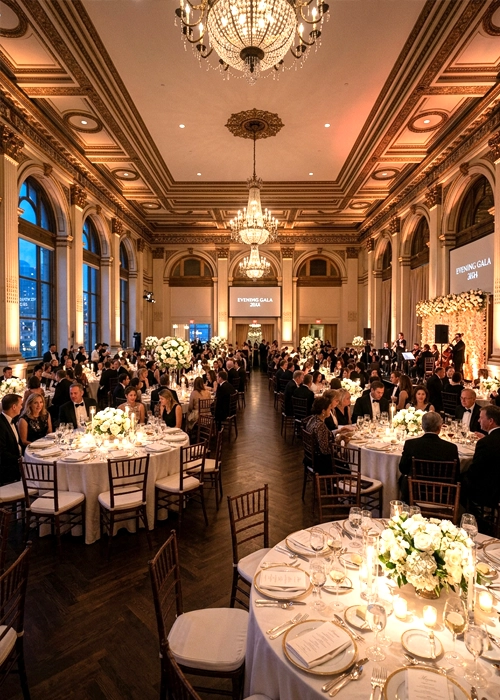
Simultaneous events. When your property is running a 400-person gala in the main ballroom while hosting a private buyout in a secondary venue, your in-house banquet team cannot be in two places at once. Supplemental staff allow you to fully crew both events without compromising either one.
Large-scale single events. A 500-person seated dinner requires more servers, bussers, and bartenders than most hotel banquet teams carry. Rather than overstaffing your permanent team year-round to handle occasional large events, supplemental staffing lets you scale precisely when you need it.
In-house callouts and last-minute gaps. Hospitality has one of the highest turnover and callout rates of any industry. When a banquet server cancels the morning of a major event, a staffing agency with a trained reserve pool can place a qualified replacement faster than you can find one on your own.
VIP and executive-level events. High-profile events — executive dinners, luxury brand activations, VIP receptions — often require a higher caliber of service professional than a standard banquet requires. Supplemental staffing lets you selectively elevate specific events without restructuring your entire team.
Seasonal surge coverage. Rather than hiring permanent staff for the six-month peak window and managing attrition afterward, many South Florida hotels use a core year-round team supplemented by agency staff during the high-demand months. It’s a cleaner labor model that protects service quality without inflating your permanent headcount.
How Supplemental Staff Integrate with Your In-House Team?
One of the most common concerns hotel F&B directors raise is whether outside staff will actually integrate smoothly with their existing team — or create more problems than they solve.
The answer depends almost entirely on which agency you choose and how the briefing process works. Here’s what a professional integration looks like.
Before the event: A quality staffing agency coordinates directly with your banquet captain or F&B director to understand your service standards, dress code, floor plan, timeline, and any specific protocols for the event. Every placed staff member is briefed on these details before they arrive at your property — not when they walk in the door.
On arrival: Supplemental staff check in with your on-site captain and are assigned to their specific stations, sections, or roles. A good agency places its own staffing captain on large events — a team lead who manages the placed staff independently, communicates directly with your management team, and handles any issues without pulling your supervisors away from the broader event.
During the event: Supplemental staff operate under your property’s service standards, not the agency’s. They’re there to extend your team’s capacity, not to run a parallel operation. The best placed staff are indistinguishable from your in-house team from a guest perspective.
After the event: A professional agency follows up to confirm everything met your standards and to note any details worth adjusting for the next engagement. This is how a one-time placement becomes a long-term staffing partnership.
The Roles Hotels Most Commonly Supplement...
Different properties have different gaps. But across South Florida hotel banquet operations, these are the roles most frequently supplemented through a staffing agency.
Banquet servers are the most common placement. Plated dinner service for large groups requires more servers than most hotel teams carry, and the synchronized nature of formal service means every position needs to be filled with someone who knows what they’re doing.
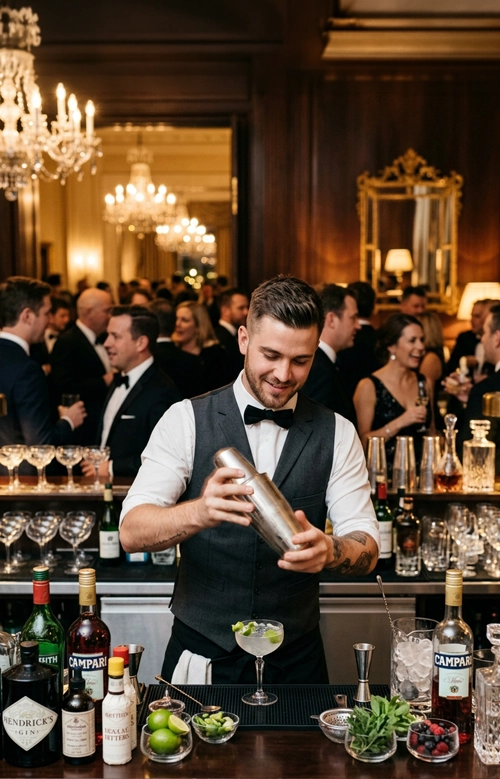
Bartenders are in high demand during peak season and genuinely difficult to source last minute. A quality bartender for a formal event needs more than the ability to mix drinks — they need to manage a bar line efficiently, maintain composure under pressure, and handle service in a way that matches the event’s tone.
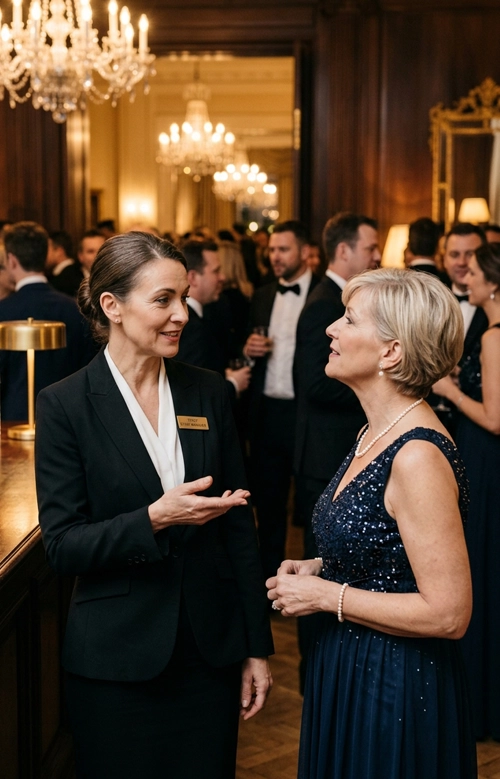
Event captains and floor supervisors are placed when a hotel needs additional team leadership — particularly for large events where one captain can’t effectively manage the full floor. An experienced captain from a professional staffing agency arrives ready to lead without needing to be trained on-site.
Setup and breakdown crew handle the physical logistics before and after an event — table placement, linen, place settings, and teardown. Placing this crew through an agency frees your permanent banquet staff to focus on service.
Coat check and greeter staff are often the first point of guest contact at a formal event. These roles require polish, warmth, and the ability to manage high-volume arrivals gracefully — qualities that matter more than most properties initially realize.
VIP escort and personal attendant staff are placed for executive dinners, luxury brand events, and any situation where specific guests require dedicated, discreet, high-touch service.
The Timing Problem Most Hotels Get Wrong...
The single most common mistake South Florida hotels make with supplemental staffing is waiting too long to start the conversation.
Peak season in South Florida is not a secret. Every hotel in Miami, Fort Lauderdale, Boca Raton, and Palm Beach is competing for the same pool of experienced hospitality professionals during the same six-month window. The properties that reach out to their staffing partners in August and September — before the season starts — secure the best staff. The properties that wait until November find themselves choosing from whoever is still available.
This isn’t a scheduling suggestion. It’s a competitive reality. The most experienced banquet servers, bartenders, and event captains in South Florida are committed to their best clients early. A staffing agency cannot conjure qualified professionals out of thin air in the last two weeks of October.
The best practice: have a planning conversation with your staffing partner in August, confirm your peak season calendar and anticipated staffing needs, and establish a standing relationship before the first major event of the season. Even if your specific event dates aren’t finalized, communicating your general volume helps your agency prioritize your property when allocating their best staff.
At Noble LG, we start peak season planning conversations in late summer specifically because our clients have learned — sometimes the hard way — that October is too late to get the team your events deserve.
What to Look for in a Hotel Staffing Partner...
Not every staffing agency understands the difference between filling a shift and staffing a hotel event at a South Florida standard. Here’s what separates a real partner from a vendor.
They ask the right questions. A staffing agency worth working with wants to understand your property’s service standards, your banquet team structure, your event calendar, and your past pain points before they place anyone. Agencies that simply confirm a headcount and send bodies aren’t partners — they’re a liability.
They have a local pool of experienced professionals. South Florida’s hospitality market requires staff who understand the pace, the guest expectations, and the service standards of this market specifically. A national agency with no genuine South Florida presence may be able to fill your roster with warm bodies — but not with the kind of professionals your property needs.
They are fully insured. General liability and workers’ compensation coverage for every placed staff member is non-negotiable. A certificate of insurance should be available before any agreement is signed.
They provide an on-site captain for large events. A captain is your agency’s team leader on the floor — they manage placed staff, troubleshoot in real time, and serve as your point of contact for anything that comes up during the event. Without one, your own management team absorbs that workload.
They have references from South Florida hotel properties. Ask specifically for references from hotels, not just corporate or wedding clients. Hotel banquet operations have their own rhythm and their own standards. An agency that has worked with properties in your market will have context and relationships that a newcomer simply doesn’t.
If you’re evaluating agencies for the first time or looking to build a new staffing partnership for the upcoming season, our guide on what to look for when hiring a hospitality staffing agency in South Florida is a good place to start.
Ready to Staff Your Peak Season?
Noble LG has been staffing South Florida’s most demanding hotel events for years — from multi-day corporate conferences and luxury brand galas to high-volume wedding weekends and VIP executive receptions. We understand the South Florida market, the properties in it, and the standard your guests expect.
If you’re a hotel banquet coordinator or F&B director starting to think about peak season coverage, now is the right time to have that conversation — before your calendar fills and your options narrow.
Contact Noble LG to discuss your property’s event calendar and let’s build a staffing plan that keeps your service flawless all season.
“Success isn’t just a full room—it’s the spark people carry with them when they leave.”
Noble Tweet
Q: When should a hotel use supplemental event staff instead of relying on its in-house team?
A: Hotels typically need supplemental staff when running simultaneous events in multiple venues, hosting a large-scale event that exceeds in-house team capacity, managing peak season volume across multiple consecutive weekends, or filling last-minute gaps from callouts. A professional staffing agency can place vetted, experienced staff quickly enough to protect service quality in all of these situations.
Q: How does supplemental hotel event staff integrate with an existing banquet team?
A: A professional agency briefs all placed staff on your property’s service standards, dress code, floor plan, and event timeline before they arrive. On-site, supplemental staff report to your banquet captain or the agency’s own floor captain, operate under your service standards, and are indistinguishable from your in-house team from a guest perspective.
Q: What types of event staff do South Florida hotels most commonly outsource?
A: The most frequently supplemented roles include banquet servers, bartenders, event captains, setup and breakdown crew, coat check and greeter staff, and VIP escort staff. The specific mix depends on the event type, size, and service level required.
Q: How far in advance should a South Florida hotel contact a staffing agency for peak season?
A: Start the conversation in August or early September — before peak season begins in October. The most experienced hospitality professionals in South Florida commit to their best clients early. Hotels that wait until October or November find their options significantly more limited, especially for large or simultaneous events.
Q: Can a hospitality staffing agency match our hotel’s service standards and uniform requirements?
A: Yes. A professional agency communicates your dress code, grooming standards, and service protocols to all placed staff at the time of briefing. Requirements should be shared when the engagement is confirmed — not on the day of the event — so staff arrive fully prepared to represent your property.